Wine and grapes
White grapes, red grapes: what actually separates them
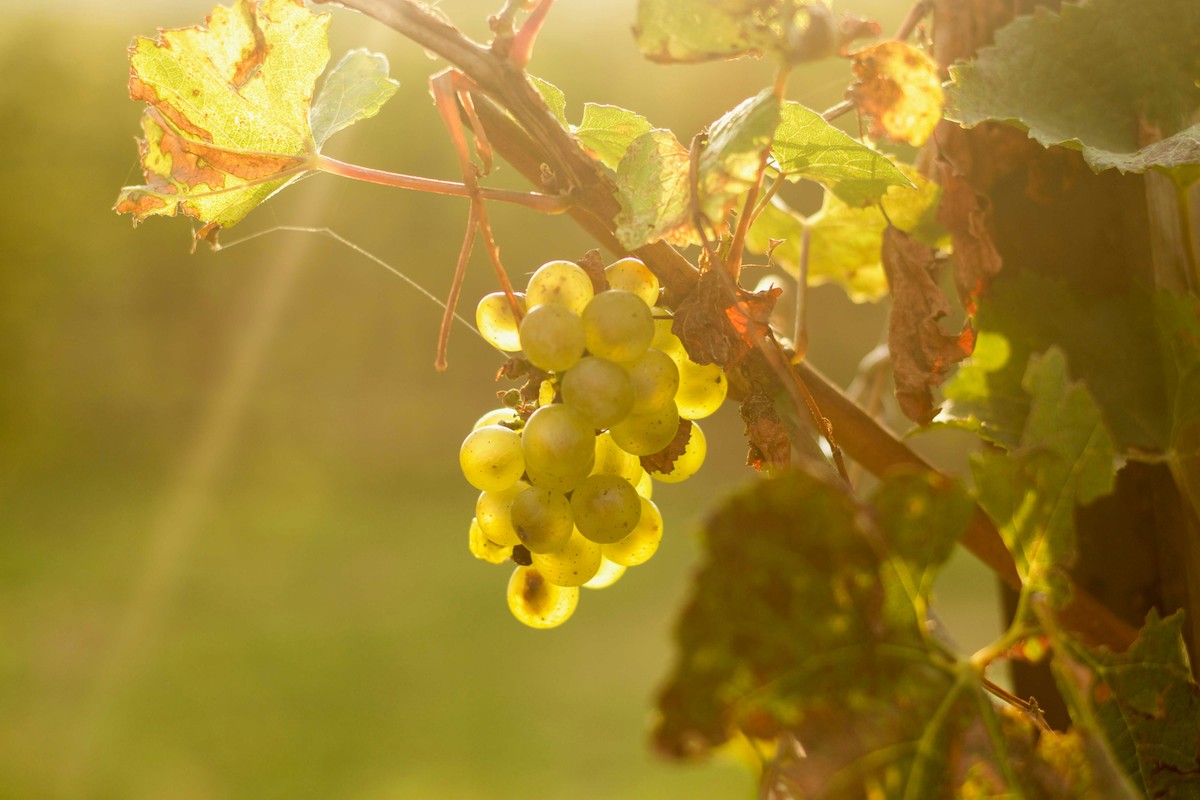
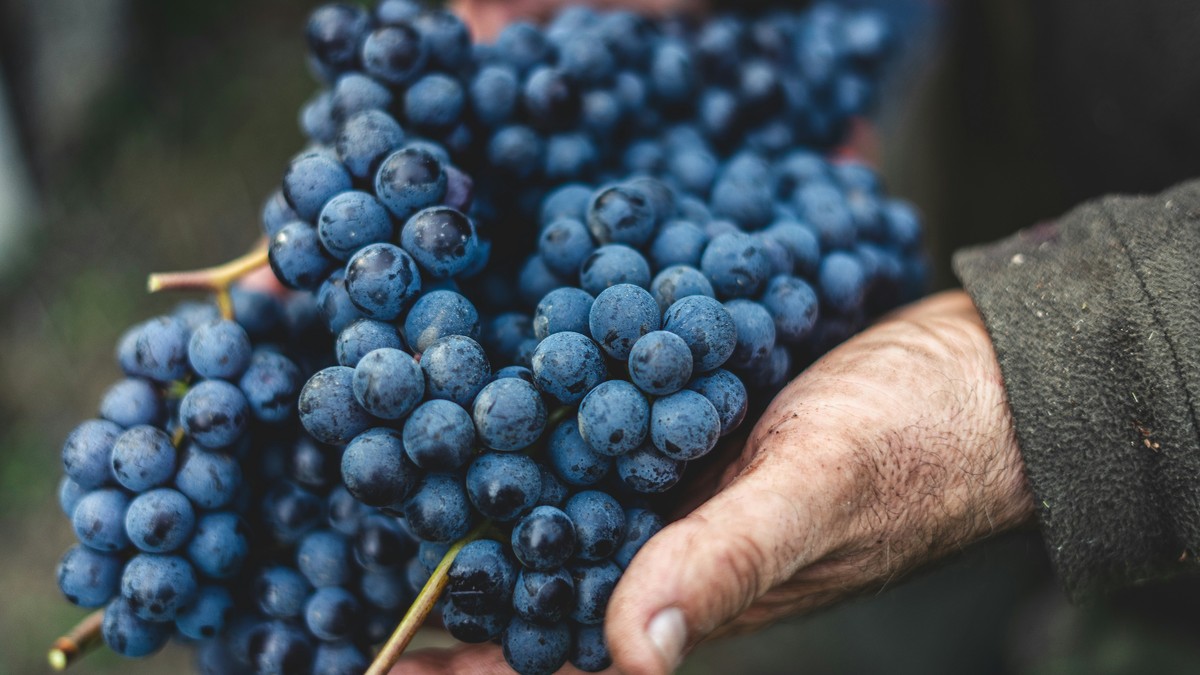
Walk between our rows in late summer and the difference looks obvious. One block hangs heavy with pale green-gold bunches. Another carries clusters so dark they look almost blue in the morning light. Two different fruits, you'd think. Two different worlds.
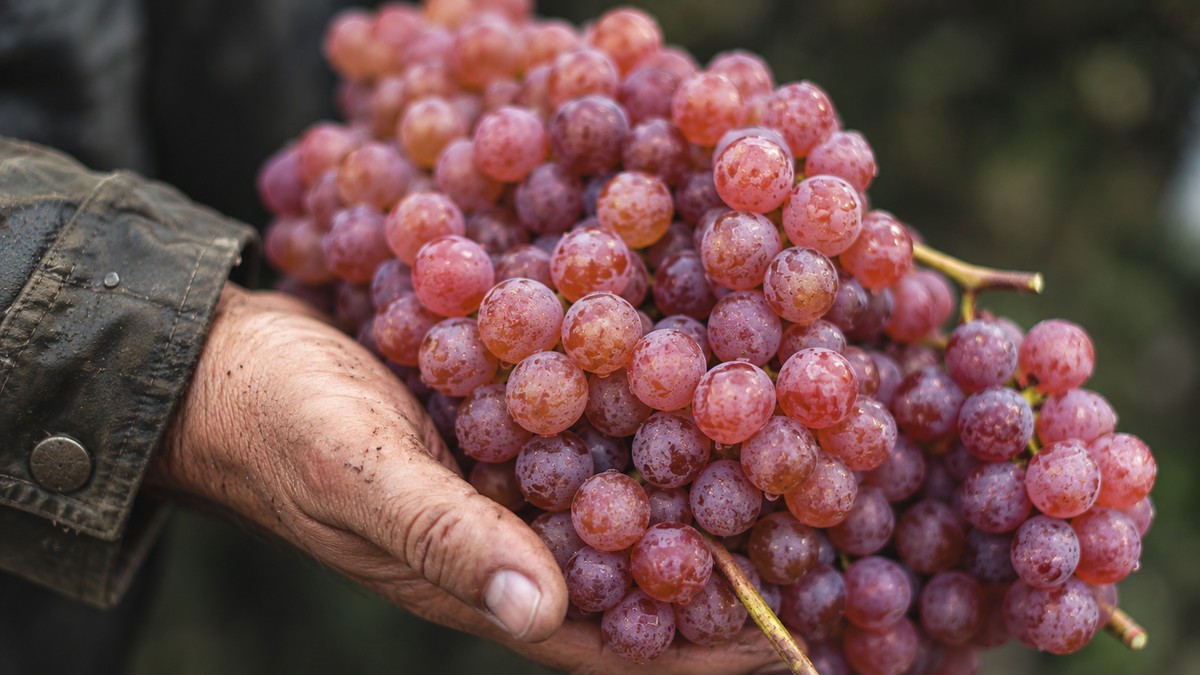
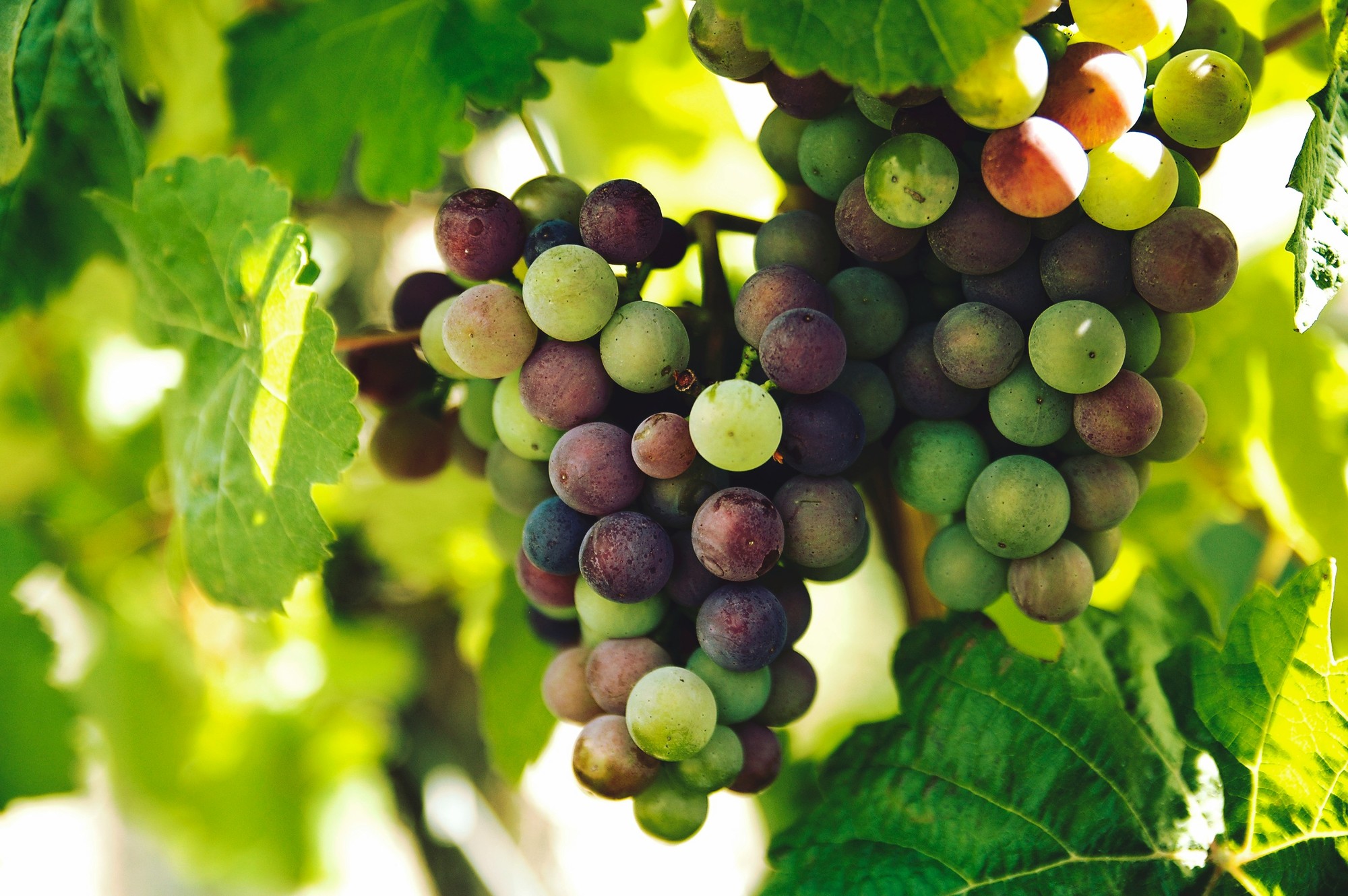
The truth is stranger than that. Every wine grape on earth belongs to the same species, Vitis vinifera. White grapes are red grapes that lost their colour — a genetic mutation, thousands of years old, that switched off pigment production. Sauvignon Blanc and Cabernet Sauvignon are close relatives. So are Pinot Noir and Pinot Gris, which is why our Pinot Gris arrives at the press somewhere between pink and grey rather than green.
So if they're that closely related, why do the wines taste nothing alike?
It all lives in the skin
Cut open a dark grape and the flesh inside is pale. Squeeze it and the juice runs clear. Almost all the colour in red wine comes from compounds called anthocyanins, and those sit in the skin, not the pulp.
This single fact drives nearly every difference between white and red winemaking.
Red wine needs contact. The juice ferments together with the skins, sometimes for a week, sometimes for a month. Alcohol pulls pigment out of the skins and into the wine, and colour deepens by the day. That's why red wine is made with the grape rather than just from it.
White wine avoids contact. The fruit goes to the press quickly, often within hours of picking, and the juice is separated from the skins before fermentation even starts. What you're drinking is the pulp, essentially, and very little else.
Which explains something that surprises most people: you can make white wine from red grapes. Champagne does it constantly — Pinot Noir pressed gently and pulled off the skins immediately gives a pale, bright wine with no red in it at all. And rosé is the same principle held halfway: red grapes, a few short hours on the skins, then pressed. Not a blend of red and white, and not a separate kind of grape. Just a decision about timing.
Tannin is the other half of the story
Skins bring more than colour. They bring tannin, along with the seeds and sometimes the stems that come with a red fermentation. Tannin is what dries your mouth slightly when you sip a young Cabernet — that grippy, tea-like quality along the sides of your tongue.
Tannin also acts as a preservative. It's why serious reds can sit in a cellar for fifteen years and improve, while most whites are best drunk within two or three. Take the skins away and you take away the structure that lets a wine age that long.
In their place, white wine leans on acidity. Bright, mouth-watering, food-friendly acidity — the thing that makes a cold glass of Sauvignon Blanc feel like it resets your palate. Reds have acidity too, but in whites it's the whole architecture rather than one element among several.
What that means for growing them
Red grapes generally need more warmth. Building good colour and ripe, soft tannin takes a long season and plenty of sun. Push a red grape in a cool climate and you get thin colour and green, angular tannin — the fruit ripens, but the skins don't.
White grapes are more forgiving. They ripen earlier, they keep their acidity in cooler conditions, and cool weather is arguably an advantage rather than a compromise. That's the reason northern European vineyards have historically leaned white, and it's why our whites come easily while the Cabernet is the wine we watch most nervously through September.
And in the glass
Everything above turns into the practical stuff you already know from drinking:
- Whites are served cold, roughly 8–12°C, in a smaller glass that keeps the temperature down and funnels aromatics toward your nose.
- Reds are served cooler than room temperature but warmer than the fridge, around 14–18°C, in a wider bowl that lets the wine breathe and softens the tannin.
- Whites tend toward citrus, orchard fruit, herbs and minerality.
- Reds tend toward berries, plum, spice, and — after time in oak — cedar, vanilla and tobacco.
None of it is a rule. Some whites are aged in barrel for years and drink like reds. Some reds are made deliberately light and chilled. But the underlying logic never changes: red wine is made with the whole grape, white wine mostly with the juice, and everything else follows from there.
Next time you have both on the table, pour a small glass of each and hold them up to the light. Same species, same soil, same hands doing the picking. One decision at the press, and two completely different drinks.